The Echoes Between Worlds
Fantasy worlds often feel timeless, isolated from the lessons of our own past. Yet when Brandon Sanderson created Roshar in The Stormlight Archive, he unknowingly echoed one of the most turbulent and tragic periods of human history: the collision between the Old World and the New during the colonization of the Americas.
In Roshar, ancient civilizations clash violently when humanity, fleeing a dying world (Ashyn), arrives on a land already inhabited by the Listeners. This mirrors the arrival of Europeans to the Americas, where flourishing indigenous cultures soon faced overwhelming invasion, conquest, and cultural erasure.
This parallel isn’t just interesting—it’s deeply meaningful. By studying both the fictional and real-world collisions of cultures, we gain insight into how beauty, diversity, and complexity can be both created and destroyed by the tides of history. Today, we’ll walk the bridge between Roshar and early American history, and explore the lessons hidden within both.
If you’d like to dive deeper into Sanderson’s vision, you can grab the Stormlight Archive box set here and experience this incredible world firsthand.
Native Cultures Before Contact: Listeners and Indigenous Peoples
Before European ships touched American shores, the New World was already full of thriving civilizations. From the vast empires of the Aztec and Inca to the intricate societies of the Iroquois and Sioux, indigenous peoples had their own art, technology, government, and rich oral traditions. Their way of life was finely tuned to their environment, often more sustainable and harmonious than their European counterparts.
Similarly, on Roshar, the Listeners (or Parshendi) lived in balance with the rhythms of the natural world. Their songs, forms, and customs reflect a deep spiritual and ecological connection to their land. They were not a primitive people; they were simply different—adapted to Roshar’s brutal storms and strange ecology.
Both the Listeners and the indigenous tribes of the Americas represent cultures that evolved independently, finding their own path to survival and meaning. Their ways of life were complex, their societies layered with wisdom and tradition. And tragically, both would be torn apart by the arrival of outsiders carrying alien beliefs, weapons, and diseases.
To explore these native cultures further, I highly recommend 1491: New Revelations of the Americas Before Columbus here — a must-read to understand the true complexity of pre-Columbian societies.
The Arrival of Outsiders: Humanity and Europe on New Shores
On Roshar, humanity didn’t just visit—they colonized. Fleeing the catastrophic destruction of their home world, the human refugees arrived on Roshar carrying powerful Surges and unknowable magic. With these advantages, they rapidly overwhelmed the native Listeners, displacing them from their own lands and reshaping the continent’s destiny.
In the Americas, the story was eerily similar. Spanish conquistadors, English settlers, and French trappers came not simply as visitors but as conquerors. Their technologies—steel weapons, gunpowder, and horses—gave them a crushing advantage over native peoples. Combined with biological warfare (intentional and accidental), the indigenous populations were decimated within decades.
Both narratives involve a massive, often unwitting tragedy: a “great forgetting” of the ancient cultures that once thrived. In Roshar, this forgetting is mythologized into the “Old Magic” and the “Old Gods,” dismissed by later human societies. In the Americas, native history was erased, rewritten, or ignored for centuries after.
In Sanderson’s story, humanity’s guilt and willful ignorance eventually come back to haunt them. One could argue the same is happening today, as indigenous voices demand long-overdue recognition.
Technological and Military Disparity: Shardplate and Gunpowder
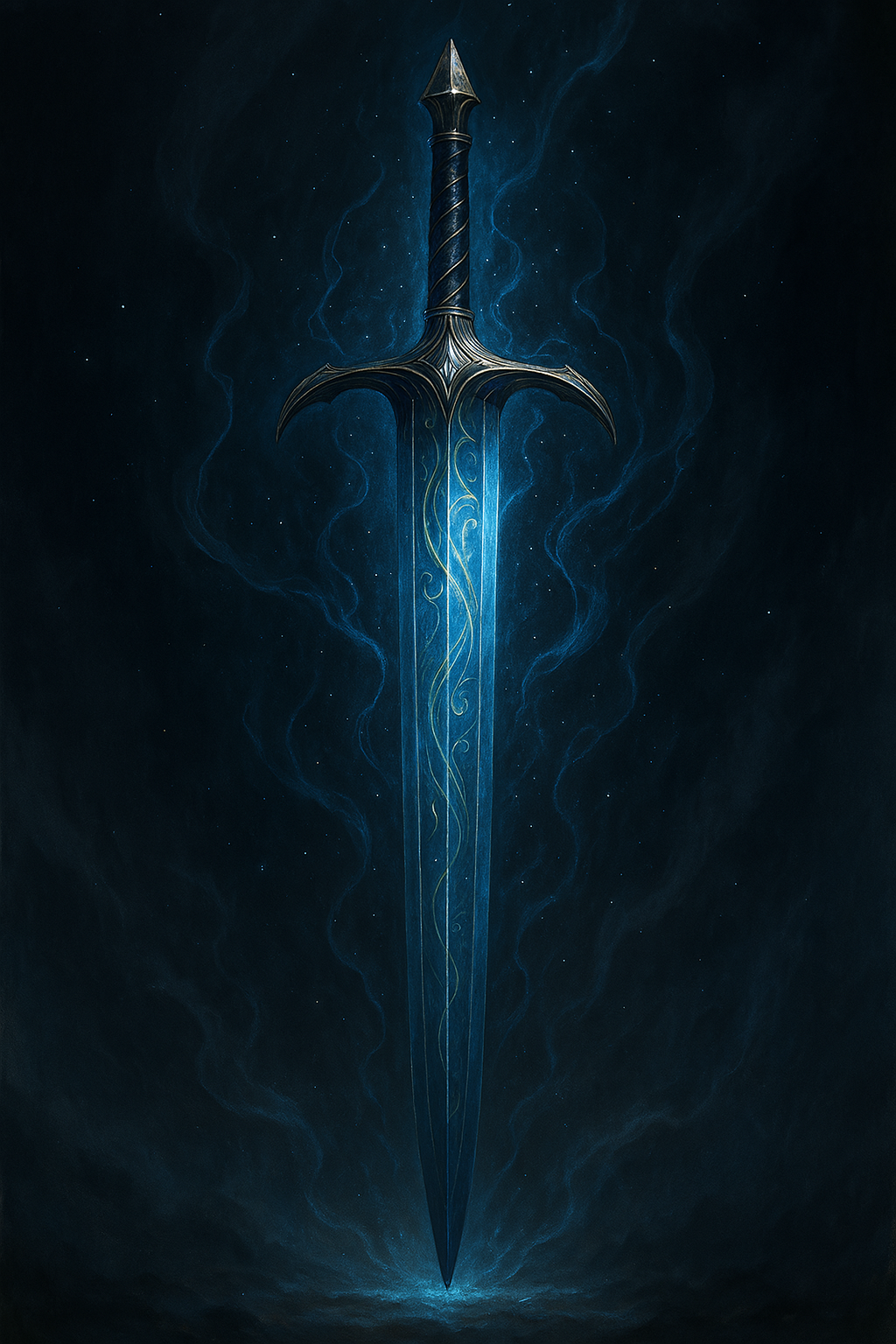
Few images are as striking as a Knight Radiant in Shardplate, wielding a Shardblade—an unstoppable force against almost any opponent. For the Listeners, even in war form, fighting against such technology was a hopeless battle.
Likewise, European technology was devastatingly superior to that of the indigenous peoples. Metal swords cut through leather armor. Cannons shattered wooden palisades. Horses turned battles into one-sided massacres. Even diseases like smallpox acted as biological “weapons,” softening resistance before battles even began.
Both in Roshar and the Americas, the imbalance of power wasn’t purely about numbers. It was about technology so foreign and so advanced that it seemed magical. Native warriors fought valiantly, often defeating early European expeditions, but over time, the technological tide was simply too strong.
For those fascinated by historical military technology, Guns, Germs, and Steel here offers an incredible look into why these imbalances occurred—and how they shaped the modern world.
Religious and Cultural Domination: Vorinism and Christianity
When humanity arrived on Roshar, they didn’t just bring weapons. They brought new gods, new ideas of right and wrong, and new social hierarchies. Vorinism eventually became the dominant faith, rewriting history to center human supremacy and vilify the ancient “voidbringers” (the original inhabitants).
Similarly, European settlers saw indigenous spirituality as paganism or devil worship. Missionaries destroyed native temples, banned ceremonies, and imposed Christianity across the New World. What was once sacred became profane. Stories were silenced; gods were demonized.
The tragedy here isn’t just about war. It’s about the slow suffocation of a worldview. On Roshar, the Listeners lose not just battles but their very songs—their cultural memory. In the Americas, entire languages, myths, and philosophies were erased.
Sanderson’s depiction of Roshar’s slow cultural erasure feels painfully true because it mirrors our own past so closely. And it raises uncomfortable questions: When we erase a culture, what do we lose of ourselves?
Long-Term Impact: Survival, Adaptation, and Revival
Despite the horrors of conquest, both Roshar and the real world tell a second, quieter story: resilience.
On Roshar, the Listeners survive. They go underground, hiding in isolated communities. They adapt, some becoming the new “singers” tied to the fused spirits of ancient days. Their story is one of tragedy—but also stubborn endurance.
In the Americas, indigenous cultures persisted too. Against all odds, languages were preserved, ceremonies continued in secret, and today, many Native American tribes are fighting to reclaim their heritage and land. History did not end with conquest. It evolved.
Sanderson’s world suggests that no matter how overwhelming the invader’s might, the spirit of a people cannot be fully extinguished. It bends, it suffers, but it also endures. And perhaps, in the long arc of history, it even finds new strength.
For anyone who wants a hopeful real-world read, Braiding Sweetgrass here beautifully tells the story of indigenous wisdom and survival in modern times.
Conclusion: Fantasy as Reflection
Fantasy doesn’t exist in a vacuum. Even in the wildest worlds of Shardblades, Surges, and highstorms, we tell stories rooted in human experience. The Stormlight Archive is not a retelling of the Americas’ colonization—but it resonates with it, intentionally or not. It reminds us that history is not a dead thing; it echoes on in every story we tell.
The collision of worlds is a painful story. Yet it’s also a story of survival, transformation, and (sometimes) healing. By reading The Stormlight Archive alongside real-world history, we not only deepen our appreciation for Sanderson’s brilliance—we also confront the very real lessons that history offers us.
And maybe, just maybe, we can forge a better future because of it.
If you’re ready to dive deeper into the incredible, tragic, beautiful saga of Roshar, don’t forget to check out the full Stormlight Archive series here.
 Fantasy worlds collide
Leave a comment